
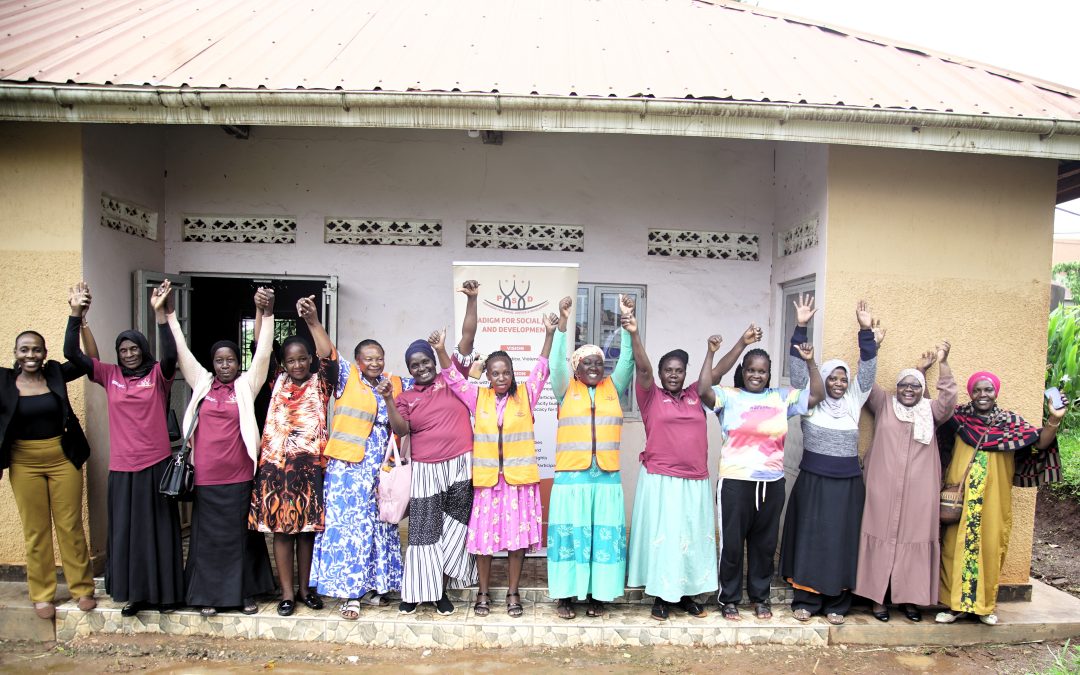
From 28 March to 1 April 2026, the ICGLR Secretariat, in collaboration with partners, conducted a joint mission to Uganda aimed at assessing progress in the implementation of the Women, Peace and Security (WPS) agenda under Regional Action Plan II (RAP II) and Uganda’s National Action Plan (NAP III). The mission, supported by GIZ and the German Cooperation, combined field engagement with institutional dialogue to strengthen coordination, accountability, and evidence-based programming.
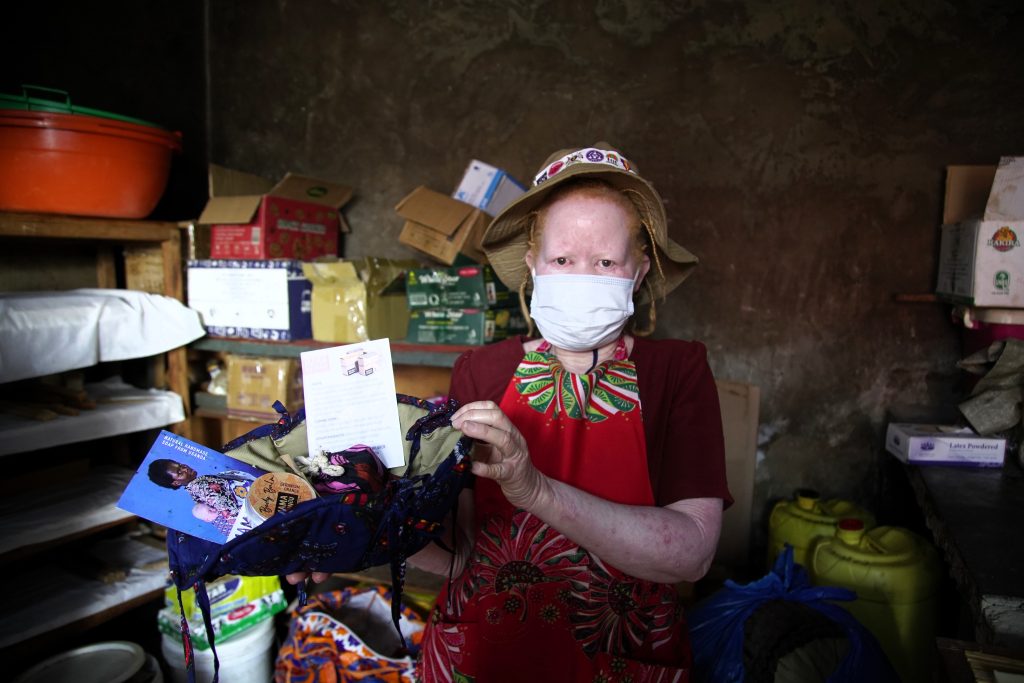
A key highlight of the mission was the field visit to Wakiso District, which provided concrete insights into how local perspectives are incorporated into the WPS, and how commitments are translated into action at the community level. The delegation observed the impact of locally driven initiatives, particularly community-based early warning systems led by trained women. These mechanisms are already contributing to conflict prevention and resolution, including mediation of marital and election-related disputes. Notably, the mission recorded increased trust in women’s leadership, with men increasingly engaging with women-led committees. The findings also confirmed strong alignment between civil society interventions and national and regional frameworks, while pointing to challenges, including the sustainability of interventions and the need for deeper coordination with existing community structures.
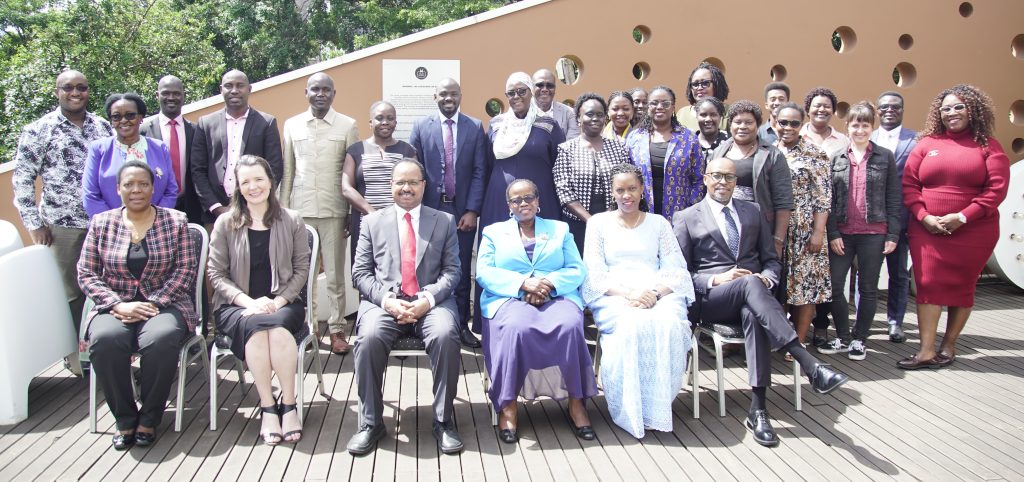
Building on these field insights, the mission convened an Institutional and Coordination Review Stakeholders Meeting in Kampala, bringing together government institutions, ICGLR leadership, development partners, and civil society organisations. The meeting served as a platform to review progress, share lessons from the field, and enhance coordination among stakeholders implementing the WPS agenda.
The meeting also emphasised the importance of data-driven decision-making through the presentation of the ICGLR Gender Barometer (GB2), a regional accountability tool that measures progress on WPS commitments across Member States. The Barometer highlights both progress in policy frameworks and persistent gaps in implementation, particularly in addressing gender-based violence, ensuring women’s participation, and strengthening access to justice. It calls for sustained investment, stronger national data systems, and reinforced collaboration among stakeholders to translate commitments into tangible impact.
Through its combined focus on grassroots realities and institutional coordination, the Uganda mission reaffirmed the central role of local actors—particularly women—in shaping inclusive, sustainable peace, while reinforcing the importance of coherent regional and national efforts to advance the Women, Peace and Security agenda.