
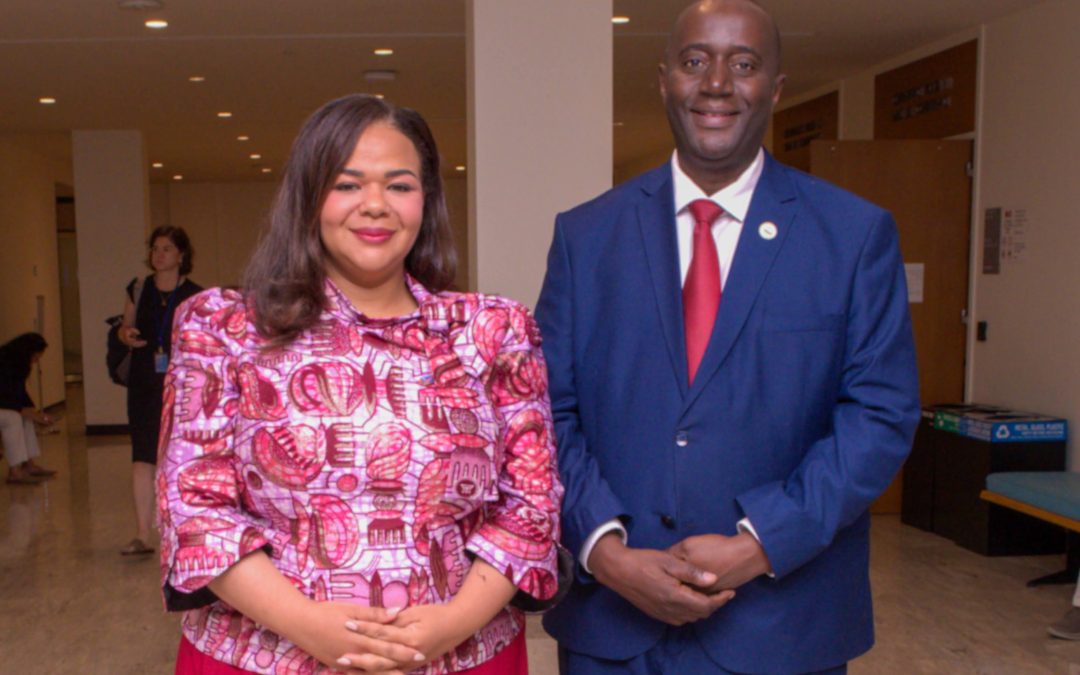
The Executive Secretary of the International Conference on the Great Lakes Region (ICGLR), Dr Mubita Luwabelwa, has called for stronger regional and international action to transform the Great Lakes Region’s vast mineral wealth into a catalyst for peace, security and sustainable development.
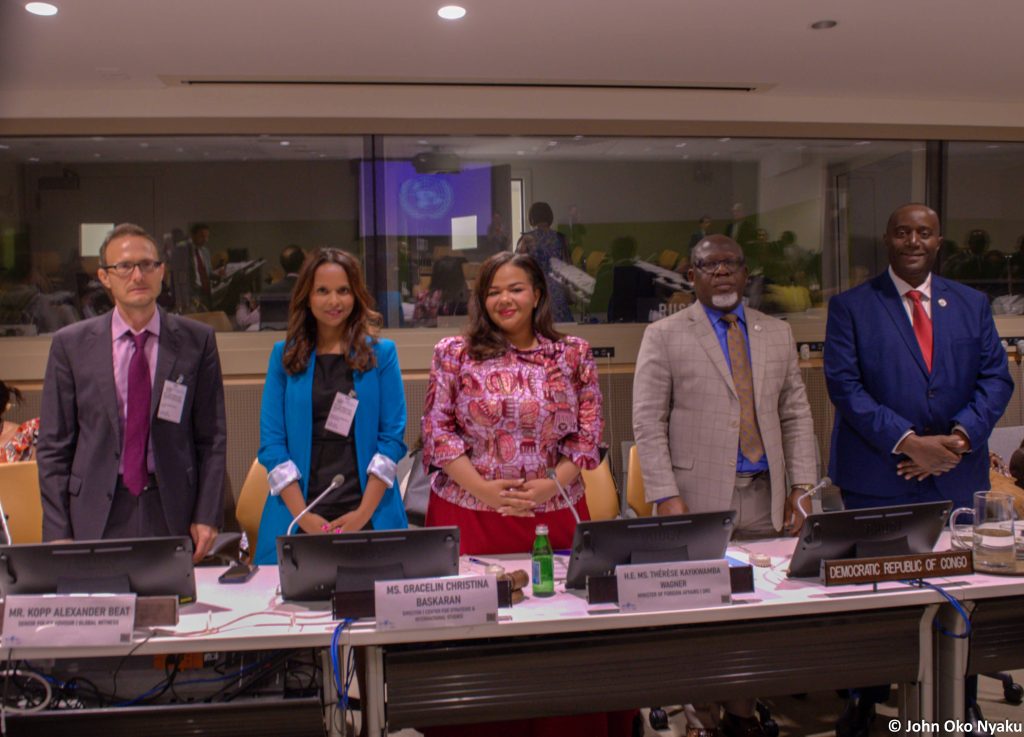
From left to right: Mr Kopp Alexander Beat, Senior Policy Advisor/Global Witness – Ms Gracelin Christina Baskaran, Director/Center for Strategic & International Studies – Amb. Zénon Mukongo Ngay/Permanent Representative of the DRC to the UN – Dr Mubita Luwabelwa, Executive Secretary/ICGLR
Addressing the United Nations Security Council Arria-formula Meeting on “Diagnosing the Normative Gap Linking Natural Resources and Peace: Foundations and Perspectives”, Dr Luwabelwa emphasised that responsible mineral governance must remain at the centre of efforts to address conflict and promote lasting stability in the region. He noted that while natural resources have too often fuelled instability through illegal exploitation and illicit trade, they also represent one of the region’s greatest opportunities for economic transformation and regional integration.
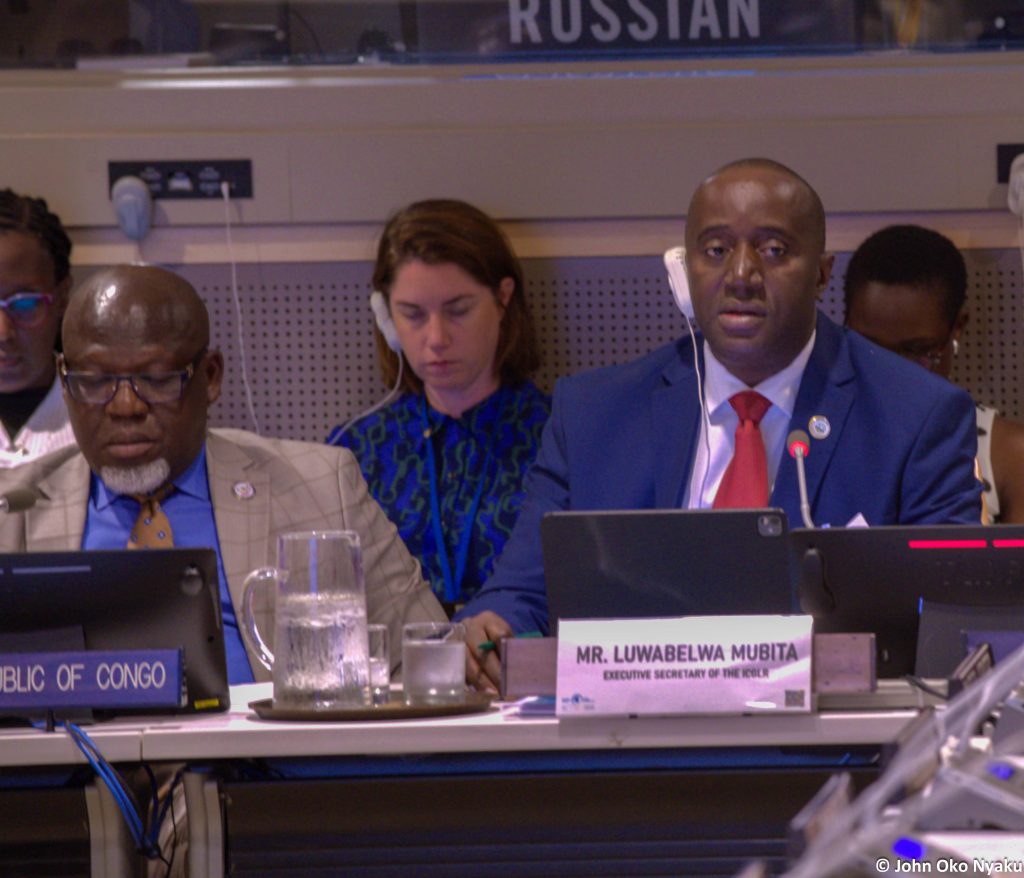
“The Great Lakes Region is home to more than 440 million people and possesses a combined GDP of over US$520 billion. Our critical minerals should not be remembered as drivers of conflict, but as engines of industrialization, regional integration and shared prosperity.”
Dr Mubita Luwabelwa, ICGLR Executive Secretary
The Executive Secretary highlighted the ICGLR’s pioneering role in promoting responsible mineral supply chains through the Regional Initiative against the Illegal Exploitation of Natural Resources (RINR) and the Regional Certification Mechanism (RCM), which have strengthened transparency, mineral traceability and cooperation among Member States for more than fifteen years.
“For more than fifteen years, the ICGLR has been building the regional architecture for responsible mineral governance. Today, the challenge is no longer whether the framework exists, but how we strengthen its implementation.”
Recognising that challenges such as illegal mineral trade, cross-border smuggling and weak enforcement persist, Dr Luwabelwa called for renewed commitment to strengthening regional implementation mechanisms, improving accountability, embracing digital certification systems and enhancing cooperation between governments, industry and international partners. He further stressed the importance of promoting regional value addition and responsible investment so that the region’s critical minerals generate jobs, industrial growth and shared prosperity for its people.
“Where responsible mineral governance is effectively implemented, we have seen a 27% reduction in interference by security forces and a 58% increase in the presence of government regulators.”
The Executive Secretary also underscored the need for closer collaboration between regional institutions, the United Nations and the private sector to reinforce due diligence, improve information-sharing and strengthen collective efforts against the illegal exploitation and trade of natural resources.
Reaffirming the ICGLR’s commitment to supporting its Member States, Dr Luwabelwa concluded that responsible governance of natural resources is not only a security imperative but also a strategic pathway towards sustainable development, regional integration and lasting peace across the Great Lakes Region.