
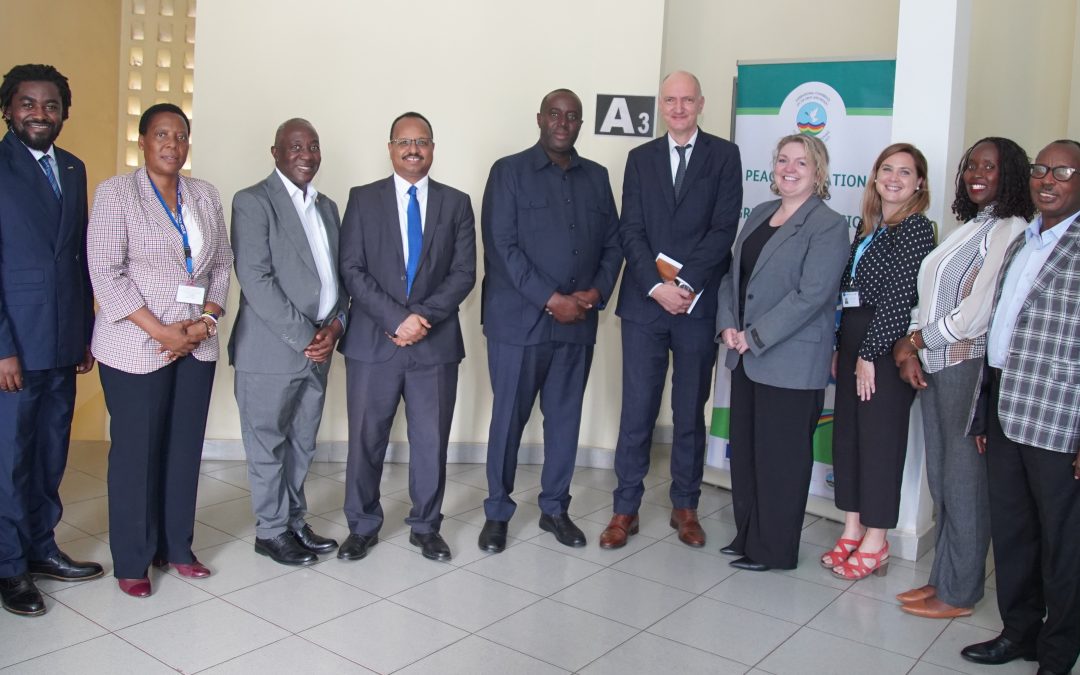
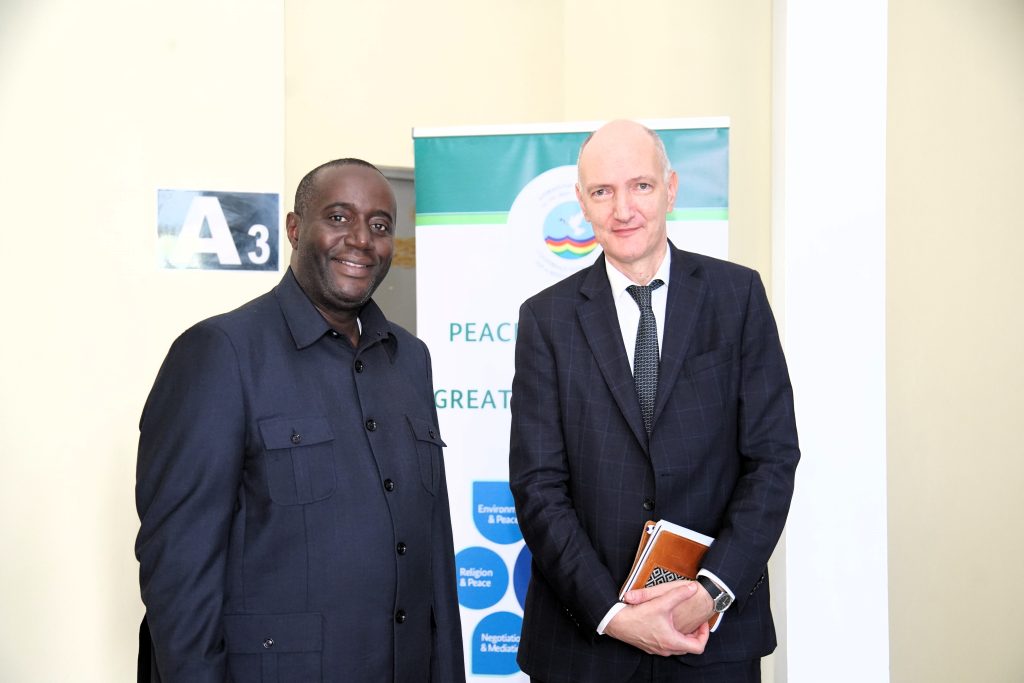
The International Conference on the Great Lakes Region (ICGLR) is advancing a major step toward stronger regional coordination on refugee issues following a strategic meeting between its Executive Secretary, the Regional Durable Solutions Secretariat (ReDSS) Great Lakes, and the European Union Delegation.
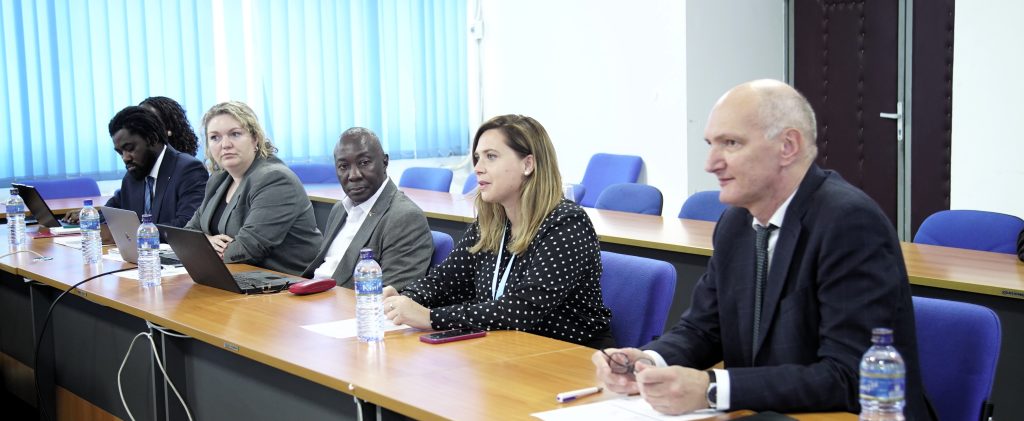
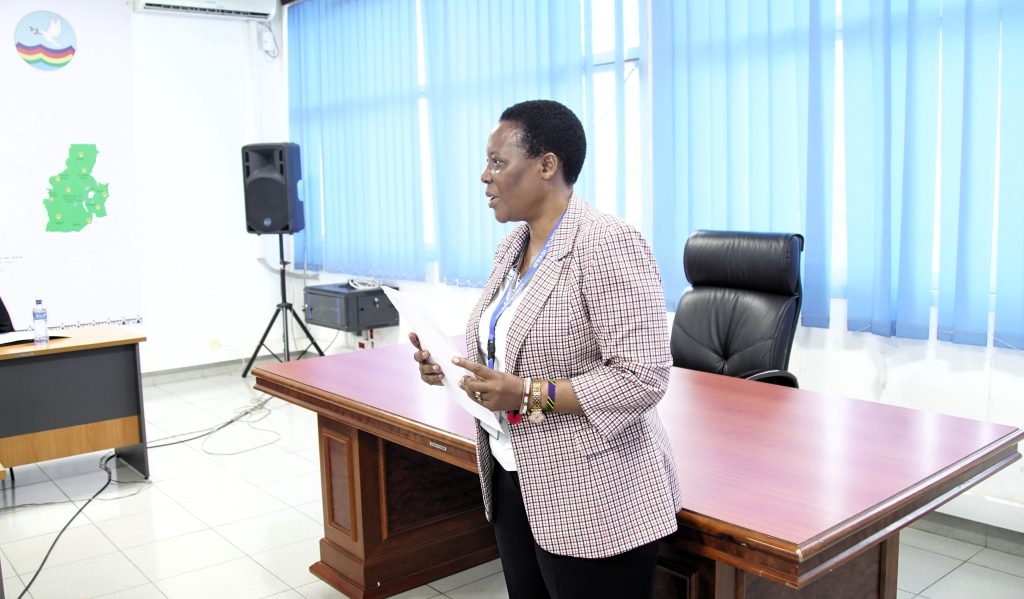
At the center of discussions was the development of the Regional Strategy on Comprehensive Durable Solutions for Refugees in the Great Lakes Region — a framework designed to help Member States move beyond emergency responses and work collectively toward long-term, sustainable solutions.
Why This Strategy Matters
The Great Lakes Region continues to face both new and protracted displacement crises. In 2019, ICGLR Member States formally committed to developing a regional strategy aligned with the Global Compact on Refugees, through the adoption of the Munyonyo Declaration.
Today, that commitment is taking concrete shape.
The Strategy aims to:
- Support safe and voluntary return where conditions allow
- Promote sustainable reintegration
- Strengthen host community resilience
- Align national refugee policies within a coherent regional framework
At a time of global funding constraints and evolving political dynamics, a coordinated regional approach is both timely and necessary.
The initiative is supported by the European Union, reinforcing national capacities and promoting peer-learning across Burundi, the Democratic Republic of Congo, Rwanda, Tanzania, and Uganda.
Reinforcing Regional Leadership
Through this Strategy, the ICGLR is positioning itself as a central regional platform linking humanitarian action, peacebuilding, and development efforts. By fostering dialogue, peer learning, and coordinated planning, the organization is helping Member States move toward durable, comprehensive solutions for refugees.
The meeting reaffirmed the shared commitment of ICGLR, ReDSS, and the European Union to work together to ensure that displacement remains high on the regional agenda — and that practical, sustainable solutions are delivered for affected populations across the Great Lakes Region.